How to Prepare Your Child for a Kindergarten Interview in Singapore (2026 Guide)
Practical tips to prepare your child for a kindergarten interview in Singapore. What schools look for, common questions, and how to build confidence without drilling.
QuizKin Team
Published 30 April 2026
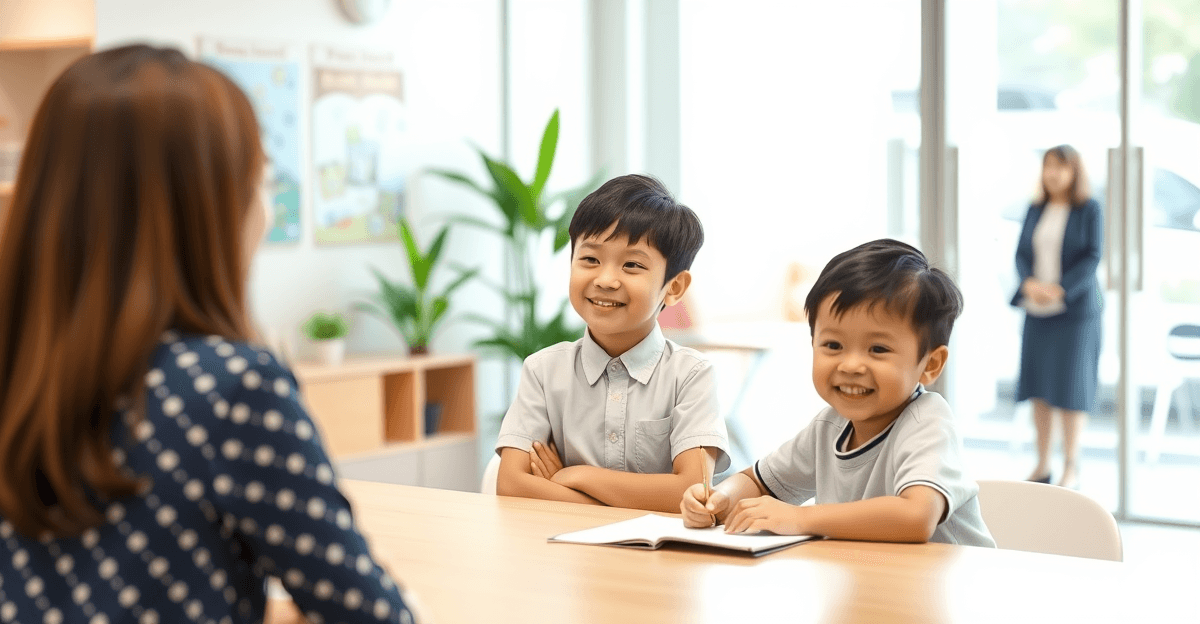
The phrase "kindergarten interview" can send Singapore parents into a quiet panic. Your child is three or four years old, still learning to use a fork properly, and now you are supposed to prepare them for what sounds like a job interview. It feels absurd. It feels stressful. And it prompts an entire cottage industry of interview preparation classes, flash card drilling, and parental anxiety.
TL;DR: Practical tips to prepare your child for a kindergarten interview in Singapore. What schools look for, common questions, and how to build confidence without drilling.
Here is the reassuring truth: kindergarten interviews in Singapore are not academic exams. Schools are not testing whether your child can recite the alphabet backwards or solve arithmetic. They are observing whether your child is developmentally ready for the school environment -- whether they can interact with adults, follow simple instructions, and engage with age-appropriate activities.
This guide explains what actually happens during a kindergarten interview in Singapore, what schools genuinely look for, and how to prepare your child naturally -- without the flash cards, the drilling, or the stress.
Which Singapore Schools Require Interviews?
Not all kindergartens in Singapore conduct interviews. Understanding which ones do will help you decide how much preparation is warranted.
Schools that typically interview:
- Popular private kindergartens (Pat's Schoolhouse, EtonHouse, Chatsworth, MindChamps)
- International school kindergarten programmes (UWCSEA, Tanglin Trust, SJI International)
- Church-run or mission-based preschools with limited places
- Bilingual or immersion programmes (Chinese, Japanese, or French-medium schools)
Schools that typically do NOT interview:
- MOE Kindergartens (MKs) -- use ballot system
- Many PCF Sparkletots centres -- first-come-first-served
- NTUC My First Skool -- generally no formal interview
- Neighbourhood childcare centres with available places
If your target school uses a ballot or first-come-first-served system, you can skip the interview preparation. Focus instead on general school readiness skills, which will serve your child well regardless.
What Schools Actually Look For
Forget what the parent forums say about needing to teach your child to read before the interview. Here is what experienced kindergarten educators actually assess:
1. Social and Emotional Readiness
Can your child:
- Separate from you without extreme distress (mild reluctance is fine)
- Acknowledge an unfamiliar adult (a wave, a nod, or a shy hello counts)
- Sit at a table for a few minutes (5 minutes is plenty at this age)
- Show interest in toys, books, or activities offered by the interviewer
What schools are really checking: Whether the child can function in a classroom with other children and adult caregivers. They are not looking for a gregarious child -- they are looking for a child who can cope with the environment.
2. Communication Skills
Can your child:
- Respond to their own name
- Follow a simple instruction ("Can you put the red block on top?")
- Express basic needs ("I want water" or pointing is fine)
- Answer simple questions ("What is your name?" "How old are you?")
Important: Schools assess in the language of instruction. If the school teaches in English, the interview will be in English. If it is a bilingual school, they may assess both languages. For Mandarin-medium schools, some Mandarin comprehension is expected.
What schools are really checking: Whether the child's language development is within the normal range for their age. They are not looking for advanced vocabulary or complete sentences from a 3-year-old.
3. Cognitive and Motor Skills (Age-Appropriate)
Schools may use play-based activities to observe:
- Colour recognition (can the child identify 3-4 basic colours)
- Shape recognition (circle, square, triangle)
- Basic counting (counting 1-5 objects by pointing)
- Fine motor skills (holding a crayon, stacking blocks, threading beads)
- Following a short sequence (first put on the hat, then pick up the bag)
What schools are really checking: Whether the child's development is broadly on track. They are looking for red flags (significant delays that might need specialist support) rather than advanced ability.
4. Behaviour and Temperament
Schools observe:
- How the child transitions from waiting to the interview room
- How the child responds when something is difficult (frustration tolerance)
- Whether the child can share or take turns (even imperfectly)
- General curiosity and willingness to try
What schools are really checking: Whether the child's temperament is a good fit for the school's teaching approach. Some schools favour independent learners; others prioritise collaborative play. Neither is better -- it is about fit.
How to Prepare Your Child (Without Drilling)
The best interview preparation does not look like preparation at all. It looks like everyday life with a few intentional habits.
Build Daily Conversation Habits
At mealtimes, ask open-ended questions: "What did you do at the playground today?" "Which part of the story was your favourite?" These build the communication skills that interviewers assess. Your child learns to formulate thoughts, respond to questions, and engage in back-and-forth conversation.
Do not coach specific answers. Interviewers can spot rehearsed responses instantly. A child who says "My name is Ada and I am four years old and I like reading books and I go to swimming class" in a single rehearsed breath is less impressive than a child who says "I'm Ada. I'm four." with genuine presence.
Read Together Daily
Reading is the single most effective interview preparation -- and it is not even interview-specific. Daily shared reading builds:
- Vocabulary and comprehension
- Attention span (sitting still for a story)
- Familiarity with books and print
- Conversation skills (asking questions about the story)
Aim for 15-20 minutes of reading per day. Let your child choose the books. Re-reading favourites is beneficial. For book recommendations, see our guide to the best books for K1 and K2 children in Singapore.
Practise Social Situations
If your child has limited experience with unfamiliar adults and children, create opportunities:
- Playdates with children they do not know well
- Library storytelling sessions
- Community playgroups
- Ordering their own drink at a cafe (pointing at the menu counts)
The goal is not to make your child an extrovert. It is to give them enough experience with social situations that the interview does not feel completely foreign.
Play Games That Build Skills
Many interview activities are essentially games. You can practise them naturally:
- Colour sorting: "Can you put all the red Lego pieces in this box?"
- Counting: "How many strawberries are on your plate?"
- Sequencing: "First we put on socks, then we put on shoes. What goes first?"
- Fine motor: Drawing, colouring, playdough, threading beads, using scissors (supervised)
- Memory: "I spy" games, matching card games, "What's missing?" (remove one toy from a group)
These are not drills. They are play. The child does not need to know they are "preparing" for anything.
Practise the Practical Basics
Interviewers often note whether a child can manage basic self-care:
- Using the toilet independently (or asking for help)
- Washing and drying hands
- Putting on and removing shoes
- Eating without constant assistance
- Carrying their own bag
These are not assessed formally, but a child who can manage basic self-care signals readiness for a school environment.
What to Expect on Interview Day
The Typical Format
Most kindergarten interviews in Singapore follow a similar pattern:
Duration: 15-30 minutes total
Participants: One or two teachers/assessors, the child, and usually one or both parents (though some schools interview the child separately)
Structure:
- Warm-up chat with the child (name, age, favourite things)
- Play-based activities (puzzles, blocks, drawing, picture books)
- Simple questions or instructions
- Parent interview (school philosophy, expectations, logistics)
Common Questions Asked to Children
- "What is your name?" / "How old are you?"
- "Who did you come with today?"
- "What do you like to play with?"
- "Can you tell me what is in this picture?"
- "What colour is this?" / "Can you count these blocks?"
- "Can you draw a circle for me?"
Common Questions Asked to Parents
- "Why did you choose our school?"
- "What is your child's daily routine like?"
- "How does your child interact with other children?"
- "What are your educational priorities?"
- "How do you handle your child's challenging moments?"
Tips for the Day
- Arrive early so your child has time to adjust to the new environment
- Dress comfortably -- your child should be able to move, sit, and play without restriction
- Bring a comfort item if your child has one (a small toy or blanket is fine)
- Stay calm -- children pick up on parental anxiety. If you are stressed, your child will be too
- Let your child lead -- do not prompt, answer for, or correct your child during the interview
- After the interview, praise effort, not outcome: "You were really brave talking to the teacher" rather than "Did you get all the answers right?"
What If Your Child Has a Difficult Interview?
It happens. Children cry, refuse to speak, throw blocks, or cling to a parent's leg. This is normal. Here is how to handle it:
During the interview:
- Do not force your child to participate. Gently encourage but respect their boundaries.
- Ask the interviewer if your child can have a few minutes to warm up.
- If your child is genuinely distressed (not just shy), it is okay to ask to reschedule.
After the interview:
- Do not criticise or express disappointment. Your child's behaviour was age-appropriate.
- A difficult interview does not mean automatic rejection. Schools understand that 3-year-olds have bad days.
- If you are concerned about your child's social readiness, focus on building social experience over the coming months rather than drilling interview skills.
If your child does not get in:
- It is not a reflection of your child's ability or potential.
- Popular schools often have more applicants than places. Many well-adjusted, bright children are not admitted simply due to numbers.
- There are excellent kindergartens across Singapore. The "right" school is one that matches your child's temperament and your family's values -- and that might not be the most popular one.
Building Long-Term Readiness (Beyond the Interview)
The skills that make a good interview also make a successful kindergarten experience. Here is how to keep building them:
Literacy foundations: Use QuizKin's phonics and reading activities to build letter-sound knowledge, CVC word blending, and early reading confidence -- all aligned with Singapore's MOE curriculum.
Numeracy foundations: Counting games, shape hunts around the house, and simple addition with snacks ("You have 3 grapes. I give you 2 more. How many now?").
Independence: Gradually increase the tasks your child does independently -- getting dressed, tidying toys, choosing what to eat for breakfast.
Social skills: Regular interaction with peers through playgroups, enrichment classes, or simply playground time.
The interview is a single data point. The real preparation is the ongoing daily investment in your child's development -- reading together, playing together, and letting them grow at their own pace.
Related guides: K1 & K2 Readiness Checklist | Choose a Kindergarten in Singapore | MOE NEL Framework Guide for Parents | Best Books for K1 & K2 Kids | Montessori vs Structured Learning
Sources
Looking for more? Check out find a tutor for free on TuitionLah.
Exploring parenthood in Singapore? Visit ParentLah for practical tips on raising kids in Singapore.
Practise what you've read with QuizKin
Adaptive quizzes covering phonics, sight words, numbers, and more — aligned with the Singapore MOE curriculum. Free for one child.
Frequently Asked Questions
Most kindergarten interviews in Singapore happen when children are around 3 to 4 years old, as they prepare to enter Nursery 2 (N2) or Kindergarten 1 (K1). Some popular preschools interview children as young as 18 months for their toddler programmes. The exact age depends on the school's intake year and the child's birth date.
No. MOE Kindergartens use a ballot system with no interview. Many neighbourhood preschools and childcare centres accept children on a first-come-first-served basis. Interviews are more common at popular private kindergartens, international schools, and well-known preschool brands where demand exceeds available places.
This is very common and schools expect it. Experienced interviewers know how to work with shy or anxious children. They may offer toys, switch to play-based assessment, or give the child time to warm up. A child who cries but eventually engages is not automatically disqualified. Schools assess the child's developmental readiness, not their performance under pressure.
Interview preparation classes are not necessary for most kindergarten interviews. The skills assessed -- basic communication, following simple instructions, social awareness -- develop naturally through everyday interactions. Reading together daily, playing with other children, and having conversations at mealtimes are more effective than formal preparation. However, if your child has very limited exposure to social settings, a few trial playdates or playgroup sessions can help build confidence.
MOE Kindergartens (MKs) admit children through a registration exercise. If applications exceed places, admission is determined by ballot (random draw). Priority is given to Singapore Citizens, then Permanent Residents. There is no interview, assessment, or academic criteria. Registration typically opens in February each year for the following year's intake.
Ready to make learning fun?
QuizKin turns screen time into learning time with adaptive quizzes built for K1-K2 kids in Singapore. Free to start.
Related Articles
Teaching Addition and Subtraction to Preschoolers in Singapore: A Parent's Guide (2026)
Practical guide to teaching addition and subtraction to K1 and K2 children in Singapore. Hands-on activities, MOE-aligned progression, and common mistakes to avoid.
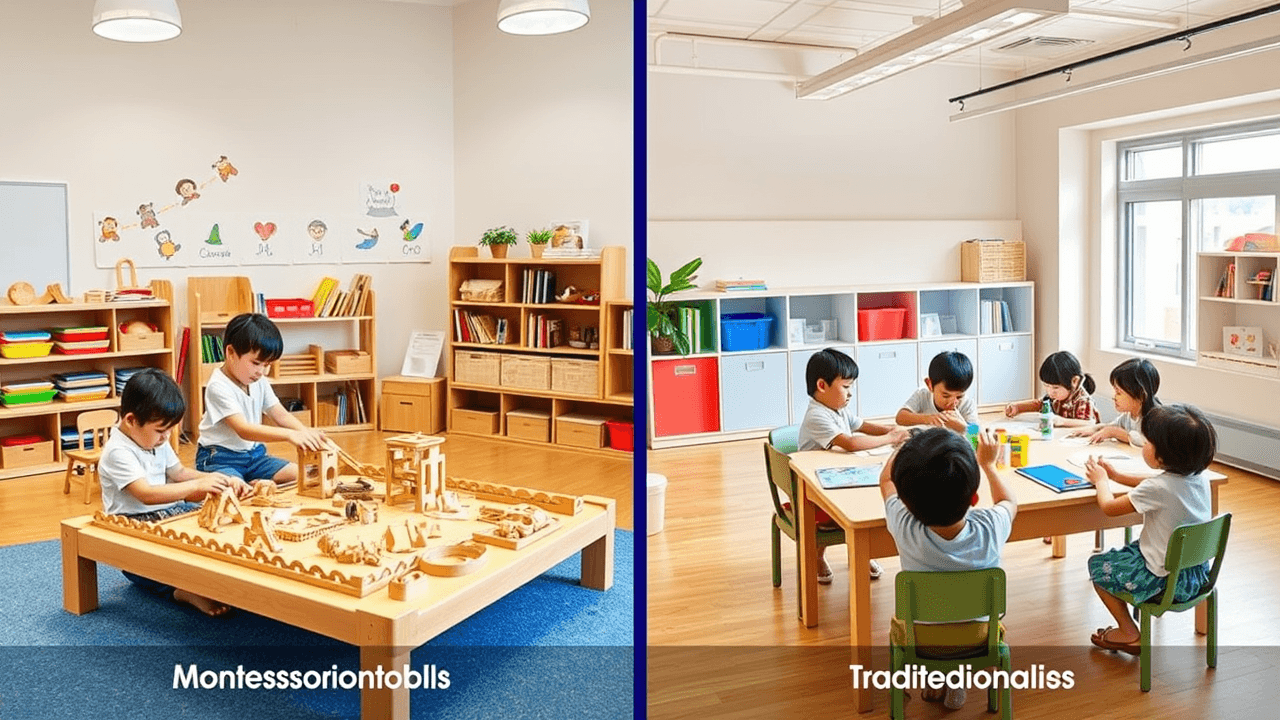
Montessori vs Structured Learning in Singapore: Which Preschool Approach Is Right?
Montessori or structured preschool? Compare both approaches for Singapore K1-K2 children — curriculum, cost, P1 readiness, and how to decide based on your child's temperament.
How to Teach Your Preschooler to Read at Home (Singapore K1 Guide)
Practical guide for Singapore parents on teaching K1 kids to read at home — phonics, sight words, bilingual tips, and MOE-aligned strategies.