Sensory Play Activities for Preschoolers in Singapore: 20 Ideas That Build Real Skills (2026)
20 sensory play activities for preschoolers in Singapore. Develop fine motor skills, language, and focus through hands-on exploration. Indoor and outdoor ideas for K1 and K2 kids.
QuizKin Team
Published 5 May 2026
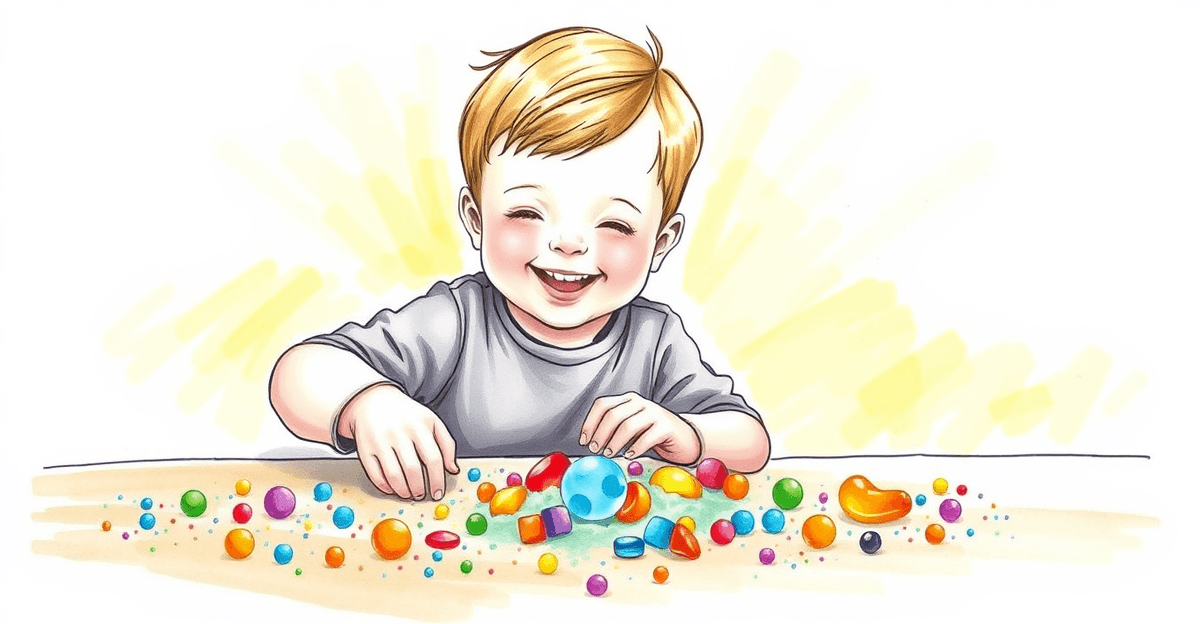
Your child learns more from ten minutes of squishing playdough than from ten minutes of tracing worksheets. This is not progressive parenting philosophy -- it is neuroscience. When preschoolers engage their senses, they build neural connections that form the foundation for everything from handwriting to mathematical thinking.
TL;DR: 20 sensory play activities for preschoolers in Singapore. Develop fine motor skills, language, and focus through hands-on exploration. Indoor and outdoor ideas for K1 and K2 kids.
Yet many Singapore parents skip sensory play entirely. It looks like "just playing." It is often messy. And in a culture that prizes worksheets and visible academic progress, letting your child spend thirty minutes pouring rice between containers feels unproductive. It is not.
This guide covers 20 sensory play activities designed for preschoolers in Singapore -- specifically for K1 and K2 children aged 4 to 6. Each activity builds identifiable skills, uses materials easily available here, and works in the space constraints of HDB flats and condos. We have also noted which activities connect to early literacy and numeracy, so you can see how play translates into school readiness.
Why Sensory Play Matters More Than Worksheets
Before the activity list, a brief explanation of why occupational therapists, early childhood educators, and developmental psychologists consistently recommend sensory play over paper-based learning for preschoolers.
Brain Development
Every sensory experience creates and strengthens neural pathways. When a child touches wet sand, their brain processes the temperature, texture, weight, and resistance simultaneously. This multi-sensory processing builds the same neural infrastructure used later for reading (visual processing), writing (motor coordination), and maths (spatial reasoning).
Fine Motor Development
The small muscles in a child's hands need strengthening before they can hold a pencil properly. Squeezing, pinching, scooping, pouring, threading, and manipulating small objects builds hand strength and dexterity. Children who go straight to pencil-and-paper without this foundation often develop an awkward grip that is difficult to correct later.
For more on handwriting readiness, see our guide to fine motor skills and handwriting readiness in preschool.
Language Development
Sensory play is rich in descriptive vocabulary. Children learn words like rough, smooth, squishy, sticky, gritty, slippery, heavy, light, warm, and cold through direct experience. This vocabulary building happens naturally during play, without flashcards or drilling. Research shows children retain vocabulary learned through physical experience significantly better than words learned through visual presentation alone.
If your child has speech or language delays, sensory play provides natural opportunities for language practice. See our speech and language development guide for more strategies.
Emotional Regulation
Repetitive sensory activities -- kneading dough, scooping sand, pouring water -- are calming. They activate the parasympathetic nervous system and help children manage stress and anxiety. This is why occupational therapists frequently prescribe sensory activities for children who struggle with emotional regulation or attention.
Scientific Thinking
Sensory play introduces cause-and-effect thinking. What happens when I add water to cornstarch? Why does ice melt faster in my hands than on the table? How can I make the sand stick together? These are the foundations of scientific inquiry, explored through hands-on experimentation.
20 Sensory Play Activities for K1 and K2 Children
Touch and Texture Activities
1. Rainbow Rice Sensory Bin
Materials: Rice (1-2 kg), food colouring, vinegar, ziplock bags, a large shallow container, scoops, cups, funnels, small figurines
How to: Divide rice into ziplock bags. Add a few drops of food colouring and a splash of vinegar to each bag. Shake until evenly coloured. Spread on baking sheets to dry overnight. Fill a container with the coloured rice and add scoops, cups, and small toys.
Skills built: Fine motor control (scooping, pouring), colour recognition, vocabulary (pour, scoop, full, empty, more, less), imaginative play, early maths concepts (volume, measurement)
Singapore tip: Dry the rice thoroughly to prevent mould in our humidity. Store in airtight containers between uses. The rice lasts for months.
2. Playdough Letters and Numbers
Materials: Playdough (homemade or store-bought), letter and number flashcards for reference
How to: Have your child roll, pinch, and shape playdough into letter and number forms. Start with their name. Progress to sight words. For maths, roll small balls and use them for counting and simple addition.
Skills built: Letter formation, number recognition, hand strength, fine motor control, phonics practice
Singapore tip: Homemade playdough (flour, salt, water, cream of tartar, food colouring) is cheaper and softer than store-bought. Make it together for additional sensory and maths practice (measuring ingredients).
3. Water Bead Exploration
Materials: Water beads (available at Daiso for $2), large container, tweezers, spoons, cups
How to: Soak water beads overnight until fully expanded. Let children scoop, squeeze, transfer with tweezers, sort by colour, and count groups. Supervise closely -- water beads should never be eaten.
Skills built: Fine motor grip (tweezers build the same muscles as pencil grip), colour sorting, counting, texture vocabulary (squishy, slippery, bouncy)
Safety: Always supervise. Water beads are a choking hazard. Suitable for ages 4+ with supervision. Dispose in bin (not down the drain).
4. Texture Matching Game
Materials: Pairs of fabric swatches, sandpaper, cotton wool, foil, bubble wrap, velvet, corrugated cardboard, silk
How to: Create two sets of texture squares. Place one set in a pillowcase or opaque bag. Child reaches in, feels a texture, and tries to match it to the visible set without looking. Describe what they feel using texture words.
Skills built: Tactile discrimination, descriptive vocabulary, memory, concentration
5. Kinetic Sand Construction
Materials: Kinetic sand (available at Toys R Us, Kiddy Palace, or online), moulds, plastic knives, rollers
How to: Let children build, cut, mould, and shape the sand. Set challenges: build a tower as tall as your hand, cut the sand into 4 equal pieces, make a letter from the sand.
Skills built: Hand strength, spatial awareness, fractions concept (cutting into equal parts), early maths skills
Singapore tip: Kinetic sand is mess-contained (it sticks to itself), making it ideal for HDB spaces. Use a large tray to keep it in one area.
Water and Liquid Activities
6. Colour Mixing Station
Materials: Clear cups or containers, water, food colouring (red, blue, yellow), pipettes or droppers, ice cube tray
How to: Fill cups with water. Give child pipettes and primary colour food colouring. Let them experiment mixing colours: what happens when red and blue combine? Challenge them to make specific colours (orange, purple, green).
Skills built: Scientific observation, fine motor control (pipette squeeze), colour theory, cause-and-effect thinking, vocabulary (mix, combine, darker, lighter)
7. Ice Excavation
Materials: Water, food colouring, small toys or plastic letters, ice cube trays or larger containers, salt, warm water, tools
How to: Freeze small toys or plastic letters in blocks of ice. Give children tools (salt, warm water, spray bottles, spoons) to excavate. This works beautifully outdoors in Singapore's heat -- the ice melts quickly, creating urgency and engagement.
Skills built: Problem-solving (which method melts ice fastest?), patience, scientific thinking, letter recognition (if letters are frozen inside), temperature vocabulary
8. Sink or Float Investigation
Materials: Large container of water, various objects (cork, stone, leaf, coin, plastic toy, orange, apple, ball)
How to: Before testing each object, ask your child to predict: will it sink or float? Test together. Group objects by result. Discuss why some things float (less dense than water) in simple terms.
Skills built: Prediction, classification, scientific vocabulary, early physics concepts, observation skills
Sound and Music Activities
9. DIY Musical Instruments
Materials: Empty containers, rice, beans, rubber bands, cardboard tubes, wax paper
How to: Create shakers (containers filled with different amounts of rice or beans), drums (containers with taut wax paper), and guitars (rubber bands stretched over boxes). Explore how changing materials changes the sound.
Skills built: Cause-and-effect, listening skills, rhythm awareness, creativity, volume concepts (loud/soft, high/low pitch)
10. Sound Walk
Materials: Nothing -- just a walk around your neighbourhood
How to: Take a walk with the specific purpose of listening. How many different sounds can you hear? Birds, traffic, air conditioning units, people talking, construction, water flowing. Categorise sounds: natural vs man-made, loud vs soft, near vs far.
Skills built: Focused listening (critical for following instructions at school), categorisation, environmental awareness, vocabulary building
Singapore tip: Try this at different locations -- void deck, park, bus stop, wet market -- for dramatically different soundscapes.
Smell and Taste Activities
11. Spice and Herb Exploration
Materials: Small containers with spices/herbs from your kitchen: cinnamon, ginger, pandan, curry leaves, lemongrass, sesame oil, peppercorns, star anise
How to: Blindfold your child (or close eyes). Let them smell each spice and describe it. Can they identify familiar ones? Match spices to foods they know (cinnamon = the cake we had, ginger = the soup at grandma's house).
Skills built: Sensory discrimination, descriptive vocabulary, memory association, cultural awareness (connecting spices to Singapore food)
12. Taste Testing Challenge
Materials: Small portions of foods representing sweet, sour, salty, bitter, umami: sugar, lemon, salt, dark chocolate, soy sauce, honey, lime, cheese
How to: Blindfold taste testing. Can your child identify the food? Categorise by taste type. Discuss which foods share similar tastes. Create a simple graph of preferences.
Skills built: Descriptive language, categorisation, graphing (early data skills), adventurous eating, vocabulary
Movement and Body Awareness Activities
13. Obstacle Course
Materials: Cushions, chairs, blankets, hula hoops, tape on the floor, empty boxes
How to: Create an indoor obstacle course: crawl under a table, jump from cushion to cushion, balance along a tape line, climb over a cushion mountain, spin three times in a hula hoop. Time them for added engagement.
Skills built: Gross motor skills, body awareness (proprioception), balance (vestibular), following multi-step instructions, spatial awareness
Singapore tip: Build this in your living room by pushing furniture aside. Void deck obstacle courses work even better on weekday mornings when the space is empty.
14. Heavy Work Activities
Materials: Filled water bottles, laundry basket with clothes, grocery bags, large cushions
How to: Give your child "heavy work" -- carrying weighted items, pushing furniture, pulling a loaded wagon, squeezing stress balls, doing wall push-ups. These activities provide deep proprioceptive input.
Skills built: Body awareness, self-regulation, focus (heavy work is calming and centering), core strength
Why it matters: Occupational therapists recommend heavy work activities for children who are fidgety, have trouble sitting still, or need help with attention and focus. Even 5-10 minutes of heavy work before homework or screen time helps children regulate.
15. Yoga and Body Shapes
Materials: A mat or carpet, YouTube kids' yoga video (Cosmic Kids Yoga is excellent)
How to: Follow along with a children's yoga video, or create your own body challenges: can you make your body into the shape of a letter T? Can you balance on one foot for 10 seconds? Can you touch your toes without bending your knees?
Skills built: Balance, body awareness, flexibility, following instructions, letter recognition (body letters), counting (holding poses for counted seconds)
Nature-Based Sensory Activities
16. Nature Collection and Sorting
Materials: A bag or basket, magnifying glass
How to: Visit a park or garden (Bishan-Ang Mo Kio Park, East Coast Park, Singapore Botanic Gardens). Collect natural items: leaves of different shapes, sticks, seed pods, flowers (fallen only), stones, feathers. At home, sort by colour, size, texture, or type. Create nature art.
Skills built: Classification, observation, fine motor (handling small items), counting and grouping, vocabulary (smooth, rough, pointed, round, large, small), artistic expression
17. Mud Kitchen
Materials: Dirt/soil, water, old pots and pans, spoons, cups, natural materials (leaves, sticks, flowers)
How to: Set up an outdoor "kitchen" where children mix soil, water, leaves, and other natural materials to create "recipes." They might make "soup" (water + leaves), "cake" (mud + flowers on top), or "tea" (water + crushed leaves).
Skills built: Imaginative play, measuring, pouring, mixing, texture exploration, social play, vocabulary building
Singapore tip: The patch of grass near your block, or a quieter section of a park, works well. Bring a change of clothes and wet wipes. Embrace the mess.
18. Gardening
Materials: Small pots, soil, seeds (bean sprouts grow fastest), a spray bottle
How to: Let children fill pots with soil, plant seeds, water them daily, and observe growth. Measure the plant height each day (maths!). Draw what they observe (science journaling). Discuss what plants need (sun, water, soil).
Skills built: Responsibility, patience, scientific observation, measurement, cause-and-effect, daily routine building
Singapore tip: Bean sprouts germinate within 3-5 days, giving preschoolers quick visible results. Basil and kangkong also grow well in Singapore's climate and can be used in cooking together later.
Creative and Messy Play
19. Finger Painting with Homemade Paint
Materials: Cornstarch, water, food colouring (mix 2 tbsp cornstarch with 1 cup water, heat until thick, divide and colour)
How to: Use fingers, hands, and even feet to paint on large sheets of paper (old newspaper works). Focus on the process, not the product. Practice drawing shapes, letters, or patterns with fingers.
Skills built: Tactile exploration, hand strength, letter/shape formation, creativity, emotional expression, sensory tolerance (some children initially dislike messy hands and need gradual exposure)
20. Shaving Cream Writing
Materials: Shaving cream (non-menthol for sensitive skin), a tray or table surface
How to: Spray shaving cream on a tray. Let children spread it, draw letters, write numbers, make patterns, and erase by smoothing flat. It is the most engaging way to practice letter formation because mistakes disappear instantly.
Skills built: Letter formation practice, number writing, hand strength (spreading and smoothing), tactile tolerance, creative expression
Singapore tip: Do this in the bathroom for easy cleanup. Shaving cream also cleans the tray/surface nicely when you wipe it down afterward.
Setting Up Sensory Play in a Singapore Home
Space Solutions for HDB Flats
You do not need a dedicated playroom. Here are practical space solutions:
- Large IKEA TROFAST bins serve as contained sensory stations on the living room floor
- The bathroom is your best friend for water play and messy activities -- tiled floors clean easily
- A large plastic mat (from Daiso, $2) under any dry sensory bin protects floors
- The kitchen table works for playdough, kinetic sand, and fine motor activities
- Void deck or corridor for messier outdoor activities (check estate rules)
- Balcony for water play and gardening (ensure safety gates are secure)
Managing the Mess
Practical mess management tips from Singapore parents:
- Contain: Use trays, bins, and mats to define the play area
- Prepare: Have a wet cloth and small broom within reach before starting
- Involve: Children help clean up -- sweeping rice, wiping surfaces, sorting materials back into containers
- Clothes: Designate "messy play clothes" or use a large old t-shirt as a smock
- Timing: Do messier activities before bath time for a natural cleanup transition
Budget-Friendly Materials
Most sensory play materials cost very little:
- Daiso ($2 each): Water beads, kinetic sand, playdough, containers, tweezers, funnels
- IKEA: TROFAST boxes ($15-20), paintbrushes, smocks
- FairPrice/Sheng Siong: Rice (cheapest brand works fine), pasta shapes, food colouring, cornstarch, flour
- Free: Water, ice, leaves, sticks, stones, mud, cardboard, fabric scraps from old clothes
Connecting Sensory Play to School Readiness
Parents often ask: "But how does this help with school?" Here is the direct connection:
Handwriting requires the hand strength built through playdough, tweezers, and finger painting. Children who skip this step often struggle with pencil grip and tire quickly when writing.
Reading requires visual discrimination (telling b from d, p from q) which is developed through sorting, matching, and pattern activities. It also requires focused attention, built through engaging sensory experiences.
Mathematics requires spatial reasoning (developed through building and construction play), measurement concepts (developed through pouring, filling, and comparing), and classification (developed through sorting activities). See our preschool maths worksheets guide for more on building number sense.
Science requires observation, prediction, and experimentation -- all practised naturally during sensory play.
Social skills develop when sensory play is shared with siblings, friends, or parents. Turn-taking, sharing materials, and collaborative building are all part of the experience.
When to Seek Help
While sensory play benefits all children, some children show signs that their sensory processing needs extra support:
- Extreme avoidance of certain textures, sounds, or messy play (beyond normal preferences)
- Seeking excessive sensory input -- constantly crashing into things, chewing non-food items, or needing very intense experiences to register sensation
- Becoming extremely distressed by everyday sensory experiences (clothing tags, food textures, hand washing)
- Difficulty with motor tasks that peers manage comfortably
If you notice these patterns consistently, consider consulting an occupational therapist. The KK Women's and Children's Hospital Child Development Unit and private OT clinics across Singapore can assess sensory processing concerns. See our guide on signs of learning difficulties in preschoolers for more indicators to watch for.
Start Simple, Build Up
You do not need to set up all 20 activities this week. Start with one or two that appeal to your child and fit your space. A simple rice bin with cups and spoons can provide 30 minutes of engaged play. Playdough and a few tools can occupy a child through an entire adult phone call.
The key is consistency: brief, regular sensory play sessions build more skills than occasional elaborate setups. Fifteen minutes daily of hands-on exploration does more for your child's development than an hour of worksheets.
For more ideas on balancing play and structured learning, see our guides on productive screen time for preschoolers and the best educational apps for focused learning sessions.
Sources
- ECDA — Early Childhood Development Agency
- KKH — KK Women's and Children's Hospital
- HPB — Health Promotion Board
Looking for more? Check out find a tutor for free on TuitionLah.
Exploring parenthood in Singapore? Visit ParentLah for practical tips on raising kids in Singapore.
Practise what you've read with QuizKin
Adaptive quizzes covering phonics, sight words, numbers, and more — aligned with the Singapore MOE curriculum. Free for one child.
Frequently Asked Questions
Sensory play is any activity that stimulates one or more of a child's senses -- touch, sight, sound, smell, taste, balance (vestibular), and body awareness (proprioception). It is important because it builds neural pathways in the brain, develops fine and gross motor skills, supports language development (children learn words for what they experience), builds problem-solving skills, and helps with emotional regulation. Research from Singapore's National Institute of Education shows that sensory-rich experiences in preschool years directly support later academic readiness.
Sensory play can begin from infancy with simple activities like touching different textures or listening to sounds. For structured sensory play activities like sensory bins and messy play, most children are ready from around 18 months. By K1 (age 4-5) and K2 (age 5-6), children can engage in more complex sensory activities that build specific skills like letter formation, counting, and scientific observation.
Some sensory play is messy, but it does not have to be. For mess-free options, try kinetic sand on a tray, sensory bottles (sealed), playdough on a mat, or texture exploration bags. For messier activities, lay a plastic mat or old shower curtain on the floor, use a large shallow tray or container to contain the mess, and do water play in the bathroom or at the kitchen sink. Many Singapore parents also do messy play outdoors at void decks or parks.
Most sensory play uses common household items: rice, pasta, water, soap, flour, cornstarch, ice, leaves, sand, and containers of various sizes. You do not need to buy expensive sensory kits. A large shallow container (the IKEA TROFAST boxes work well), scoops, cups, funnels, and tongs are enough to set up dozens of different sensory activities. Daiso, IKEA, and neighbourhood provision shops are good budget sources.
Sensory play builds the hand strength, finger dexterity, and hand-eye coordination needed for handwriting. Activities like squeezing playdough, picking up small objects with tweezers, finger painting, and drawing in sand develop the same muscle groups used to hold a pencil. Children who have had plenty of sensory play typically find the transition to handwriting easier because their hands are already strong and coordinated.
Ready to make learning fun?
QuizKin turns screen time into learning time with adaptive quizzes built for K1-K2 kids in Singapore. Free to start.
Related Articles
15 Easy Kindergarten Science Experiments to Do at Home in Singapore (K1-K2, 2026)
Fun and educational science experiments for K1 and K2 children in Singapore. Simple materials, real learning outcomes. Build curiosity, observation skills, and early STEM foundations at home.
June School Holiday Learning Activities for Preschoolers in Singapore (2026): Keep Them Learning Without the Screen
15 engaging June school holiday learning activities for preschoolers in Singapore. Budget-friendly ideas that keep K1 and K2 kids learning through play. Indoor and outdoor.
Fine Motor Skills & Handwriting Readiness for Preschoolers
Build handwriting readiness with 12 hands-on activities for preschoolers. Covers pencil grip stages, fine motor milestones, and writing tips for K1-K2.